

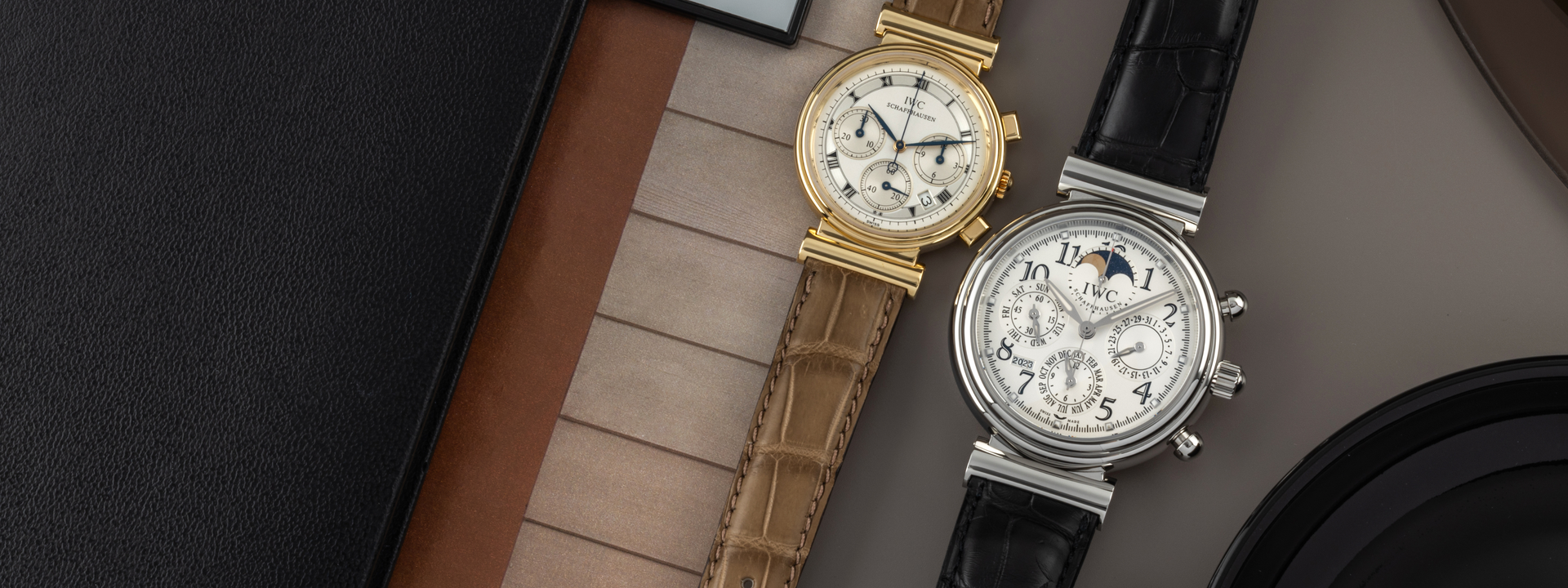

Anyone who deals intensively with watches eventually asks the question: "Who invented the watch?" The question is not so easy to answer, after all, there was already the sundial early in history, various types of water and hourglasses, as well as many other options, which mainly took nature as a model. However, there is one person to whom, at least in Germany, the invention of the body-wearable watch is attributed.
Watches can serve different purposes. As classic timekeepers, they are found in almost every household, and even there, watches are usually associated with aesthetic demands. Wristwatches have a significantly higher value, whose use goes far beyond just telling time. Wristwatches and especially luxury watches are collector's and jewelry pieces that can experience a high increase in value. Those who have such a passion for watches certainly ask themselves the question: "Who invented the watch?"

A little time travel of the watch
In this context, of course, the question arises as to which form of watch is meant. More than 2,000 years ago, the so-called "shadow stick" was known in China, while the Babylonians applied the sexagesimal system with the base number 60. The Egyptians relied on obelisks as sundials or on water watches that were not dependent on the sun. The latter were technically improved by the Greeks and were even more advanced for use. In India, there were still stick watches, and in Europe, hourglasses were extremely popular for a long time. But was the invention of the watch meant by this?
![Cartier Tortue 18 ct gold automatic men's watch CRW1548151, W1548151 LP: 173000EUR Limited [2505652]](http://www.zeitauktion.com/cdn/shop/files/2505652_01_nowm.jpg?v=1758869768&width=2400)
![Cartier Tortue 18 ct gold automatic men's watch CRW1548151, W1548151 LP: 173000EUR Limited [2505652]](http://www.zeitauktion.com/cdn/shop/files/2505652_02_2k.jpg?v=1758869770&width=2400)
![Audemars Piguet Royal Oak chronograph 18 ct gold automatic men's watch 26470OR LP: 53000EUR [2605559]](http://www.zeitauktion.com/cdn/shop/files/2605559_01_nowm.jpg?v=1788942906&width=2400)
![Audemars Piguet Royal Oak chronograph 18 ct gold automatic men's watch 26470OR LP: 53000EUR [2605559]](http://www.zeitauktion.com/cdn/shop/files/2605559_02_2k.jpg?v=1788942505&width=2400)
![Rolex Day-Date 18 ct gold automatic men's watch 18038 Vintage [2605019]](http://www.zeitauktion.com/cdn/shop/files/2605019_01_nowm.jpg?v=1789034838&width=2400)
![Rolex Day-Date 18 ct gold automatic men's watch 18038 Vintage [2605019]](http://www.zeitauktion.com/cdn/shop/files/2605019_02_2k.jpg?v=1789034839&width=2400)
![Rolex GMT-Master II steel automatic men's watch 126710BLRO-0001 [2603110]](http://www.zeitauktion.com/cdn/shop/files/2603110_01_nowm.jpg?v=1788942075&width=2400)
![Rolex GMT-Master II steel automatic men's watch 126710BLRO-0001 [2603110]](http://www.zeitauktion.com/cdn/shop/files/2603110_02_2k.jpg?v=1788942076&width=2400)
![Patek Philippe Gondolo 18 ct gold manual winding men's watch 3599/1 Vintage [2603164]](http://www.zeitauktion.com/cdn/shop/files/2603164_01_nowm.jpg?v=1782737348&width=2400)
![Patek Philippe Gondolo 18 ct gold manual winding men's watch 3599/1 Vintage [2603164]](http://www.zeitauktion.com/cdn/shop/files/2603164_02_2k.jpg?v=1782737350&width=2400)
![Vacheron & Constantin 18 ct red gold automatic men's watch 7800S/000R-B140 [2604767]](http://www.zeitauktion.com/cdn/shop/files/2604767_01_nowm.jpg?v=1788764846&width=2400)
![Vacheron & Constantin 18 ct red gold automatic men's watch 7800S/000R-B140 [2604767]](http://www.zeitauktion.com/cdn/shop/files/2604767_02_2k.jpg?v=1788764845&width=2400)
![Rolex Land-Dweller steel / white gold automatic men's watch 127234 [2604760]](http://www.zeitauktion.com/cdn/shop/files/2604760_01_nowm.jpg?v=1786354109&width=2400)
![Rolex Land-Dweller steel / white gold automatic men's watch 127234 [2604760]](http://www.zeitauktion.com/cdn/shop/files/2604760_02_2k.jpg?v=1786354110&width=2400)
![Rolex Lady Datejust steel / white gold automatic women's watch 279384RBR LP: 18000EUR [2602487]](http://www.zeitauktion.com/cdn/shop/files/2602487_01_nowm.jpg?v=1777549788&width=2400)
![Rolex Lady Datejust steel / white gold automatic women's watch 279384RBR LP: 18000EUR [2602487]](http://www.zeitauktion.com/cdn/shop/files/2602487_02_2k.jpg?v=1777549789&width=2400)
Who invented the body-wearable watch?
The watch variants just described have one thing in common – they are all not wearable on the body and are generally rather inaccurate. After all, from the 13th century there were efforts to miniaturize watches to make them more portable. In 1510, it was probably Peter Henlein (1479-1542) who succeeded and to whom the invention of the body-wearable watch is attributed. The locksmith master and watchmaker from Nuremberg had a watch in the shape of a musk apple or an egg or can shape.
The watches we nowadays refer to as wristwatches had little to do with this back then. The first jewelry watches with great emphasis on appearance and aesthetics were made in the 19th century. These are the predecessors of today's Chronographs and Pilot watches, which enjoy great popularity.
About the author

Florian
Further recommendations
![Rolex Oyster Perpetual steel automatic men's watch 114300 [2605774]](http://www.zeitauktion.com/cdn/shop/files/2605774_01_nowm.jpg?v=1790250992&width=2400)
![Rolex Oyster Perpetual steel automatic men's watch 114300 [2605774]](http://www.zeitauktion.com/cdn/shop/files/2605774_02_2k.jpg?v=1790250994&width=2400)
![Rolex Datejust steel / gold automatic men's watch 116263 [2605878]](http://www.zeitauktion.com/cdn/shop/files/2605878_01_nowm.jpg?v=1790251015&width=2400)
![Rolex Datejust steel / gold automatic men's watch 116263 [2605878]](http://www.zeitauktion.com/cdn/shop/files/2605878_02_2k.jpg?v=1790251016&width=2400)
![Omega Speedmaster chronograph steel automatic men's watch 522.30.38.50.04.001 [2605807]](http://www.zeitauktion.com/cdn/shop/files/2605807_01_nowm.jpg?v=1790246946&width=2400)
![Omega Speedmaster chronograph steel automatic men's watch 522.30.38.50.04.001 [2605807]](http://www.zeitauktion.com/cdn/shop/files/2605807_02_2k.jpg?v=1790246948&width=2400)
![Breitling Navitimer World chronograph steel automatic men's watch A2432212/B726 [2605269]](http://www.zeitauktion.com/cdn/shop/files/2605269_01_nowm.jpg?v=1790168191&width=2400)
![Breitling Navitimer World chronograph steel automatic men's watch A2432212/B726 [2605269]](http://www.zeitauktion.com/cdn/shop/files/2605269_02_2k.jpg?v=1790168192&width=2400)
![Breitling Avenger Seawolf titanium automatic men's watch V17319 LP: 5350EUR [2605565]](http://www.zeitauktion.com/cdn/shop/files/2605565_01_nowm.jpg?v=1790166513&width=2400)
![Breitling Avenger Seawolf titanium automatic men's watch V17319 LP: 5350EUR [2605565]](http://www.zeitauktion.com/cdn/shop/files/2605565_02_2k.jpg?v=1790166514&width=2400)
![Breitling Navitimer 01 46 chronograph steel automatic men's watch AB0137 LP: 9500EUR [2605434]](http://www.zeitauktion.com/cdn/shop/files/2605434_01_nowm.jpg?v=1790167327&width=2400)
![Breitling Navitimer 01 46 chronograph steel automatic men's watch AB0137 LP: 9500EUR [2605434]](http://www.zeitauktion.com/cdn/shop/files/2605434_02_2k.jpg?v=1790167331&width=2400)
![Tudor Royal steel / gold automatic men's watch 28503-0003 LP: 4780EUR [2605568]](http://www.zeitauktion.com/cdn/shop/files/2605568_01_nowm.jpg?v=1790167351&width=2400)
![Tudor Royal steel / gold automatic men's watch 28503-0003 LP: 4780EUR [2605568]](http://www.zeitauktion.com/cdn/shop/files/2605568_02_2k.jpg?v=1790167352&width=2400)
![Tag Heuer Carrera chronograph steel automatic men's watch CVA2010-0 [2605033]](http://www.zeitauktion.com/cdn/shop/files/2605033_01_nowm.jpg?v=1790150179&width=2400)
![Tag Heuer Carrera chronograph steel automatic men's watch CVA2010-0 [2605033]](http://www.zeitauktion.com/cdn/shop/files/2605033_02_2k.jpg?v=1790150181&width=2400)
![Baume & Mercier Clifton steel automatic men's watch MOA10399 65834 [2605540]](http://www.zeitauktion.com/cdn/shop/files/2605540_01_nowm.jpg?v=1790144902&width=2400)
![Baume & Mercier Clifton steel automatic men's watch MOA10399 65834 [2605540]](http://www.zeitauktion.com/cdn/shop/files/2605540_02_2k.jpg?v=1790144903&width=2400)
![Glashütte Spezimatic gilt-brass manual winding men's watch [2603479]](http://www.zeitauktion.com/cdn/shop/files/2603479_01_nowm.jpg?v=1790166092&width=2400)
![Glashütte Spezimatic gilt-brass manual winding men's watch [2603479]](http://www.zeitauktion.com/cdn/shop/files/2603479_02_2k.jpg?v=1790166094&width=2400)
![Tag Heuer Aquaracer chronograph steel quartz men's watch CAF101F.BA0821 [2605566]](http://www.zeitauktion.com/cdn/shop/files/2605566_01_nowm.jpg?v=1790166938&width=2400)
![Tag Heuer Aquaracer chronograph steel quartz men's watch CAF101F.BA0821 [2605566]](http://www.zeitauktion.com/cdn/shop/files/2605566_02_2k.jpg?v=1790166939&width=2400)
![Tag Heuer Autavia chronograph steel automatic men's watch CBE2110 [2605533]](http://www.zeitauktion.com/cdn/shop/files/2605533_01_nowm.jpg?v=1790168840&width=2400)
![Tag Heuer Autavia chronograph steel automatic men's watch CBE2110 [2605533]](http://www.zeitauktion.com/cdn/shop/files/2605533_02_2k.jpg?v=1790168842&width=2400)


![Rolex Daytona chronograph steel / gold automatic men's watch 16523 [2601495]](http://www.zeitauktion.com/cdn/shop/files/2601495_01_nowm.jpg?v=1775129721&width=2400)
![Rolex Daytona chronograph steel / gold automatic men's watch 16523 [2601495]](http://www.zeitauktion.com/cdn/shop/files/2601495_02_2k.jpg?v=1775129723&width=2400)